Investing in Your Kitchen: The Smart Way to Boost Home Value
February 3, 2025

A well-designed kitchen is more than just a culinary workspace; it’s a cornerstone of a home’s appeal and functionality. Investing in thoughtful kitchen design can significantly enhance your home’s value. Here’s how:
Return on Investment (ROI):
Kitchen remodels consistently offer high returns. According to Remodeling Magazine’s 2022 Cost vs. Value Report, kitchen remodels have a national average ROI between 52.5% and 71.2%.
This means that homeowners can recoup a substantial portion of their investment upon selling.
Quality Over Builder-Grade: Finding the Right Balance
While builder-grade materials are often budget-friendly and functional, they can lack the durability and distinctive design elements that make a kitchen stand out. However, upgrading doesn’t have to mean going fully custom—there are smart ways to enhance a kitchen’s value without a complete overhaul.
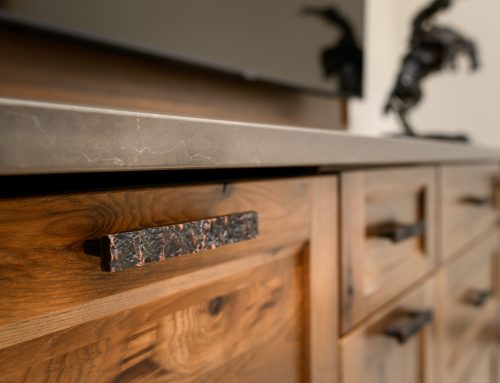
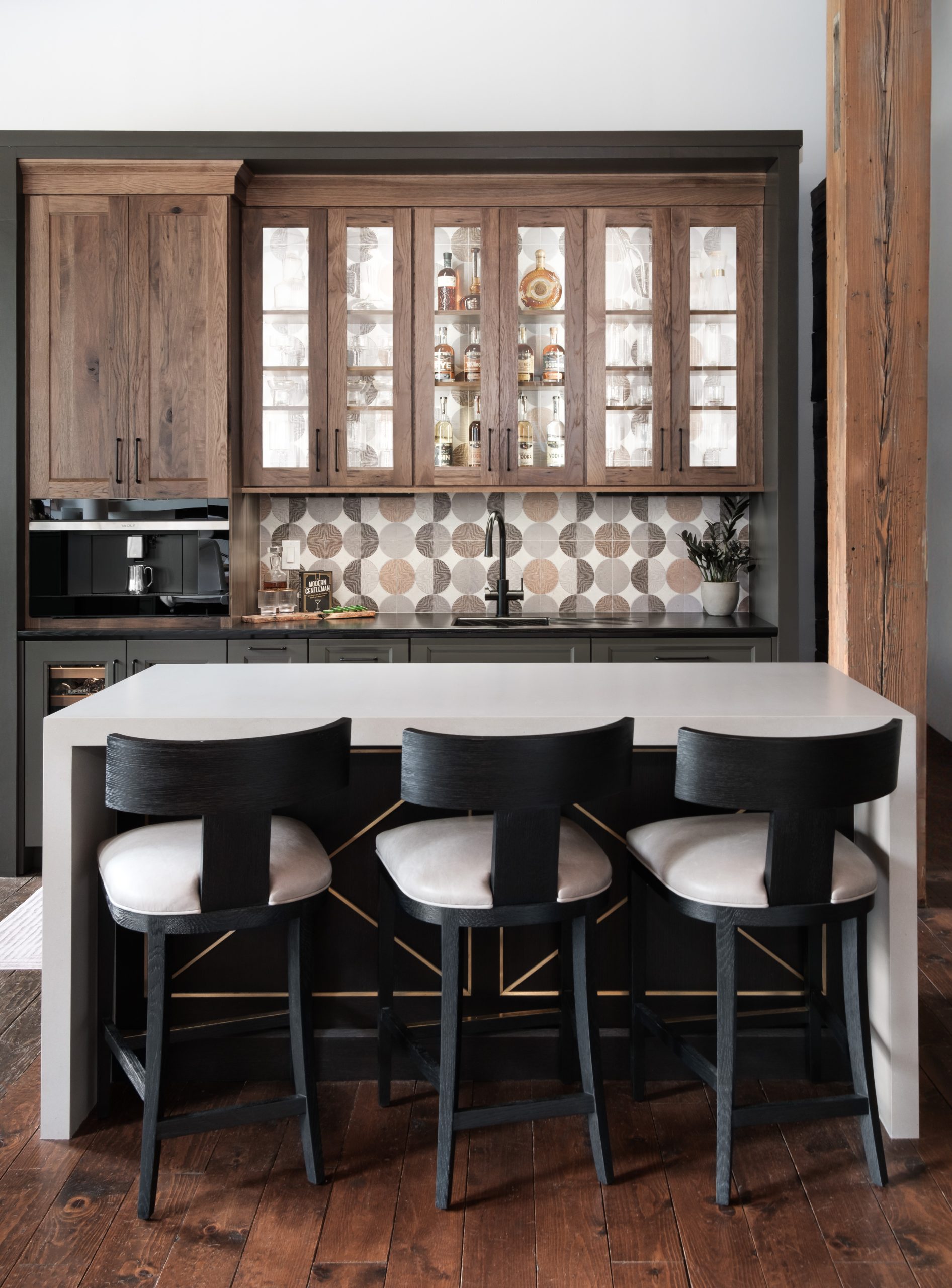
For instance, choosing semi-custom cabinetry allows for personalization without the high price tag of fully custom work. Swapping out standard hardware for high-end pulls and handles, incorporating a timeless backsplash, or opting for durable quartz countertops instead of laminate can create a more upscale feel. Even small details like under-cabinet lighting, a well-thought-out storage plan, or a fresh coat of quality paint on existing cabinets can make a significant impact.
Investing in higher-quality, timeless materials may require a larger upfront cost, but it often pays off in resale value and long-term durability. A well-designed kitchen—whether fully custom or thoughtfully upgraded—enhances daily life and appeals to buyers who appreciate both aesthetics and functionality. The key is finding a balance between budget-conscious decisions and strategic upgrades that add character and longevity to your space.
Functional Layouts and Thoughtfully Designed Spaces
While open floor plans have been a dominant feature in modern home design, maximizing space and promoting interaction, the next wave of homebuyers is beginning to prioritize a balance between openness and defined spaces. Open kitchens continue to be a strong selling point, making a home feel airy and inviting, but homeowners should be mindful that today’s most sought-after designs also consider comfort, privacy, and functionality.
Recent discussions in architecture and interior design circles suggest that future home layouts may lean toward intentional space planning rather than removing every possible wall. Dedicated spaces for relaxation, unplugging, or socializing are becoming more desirable. For example, cozy reading nooks, home libraries, and separate media rooms offer a retreat from the openness of shared spaces. These subtle shifts reflect a growing preference for homes that provide both connection and a sense of sanctuary.
While an open-concept kitchen and living area will likely remain a key selling point, integrating a mix of open and purposefully enclosed spaces can add long-term value. A well-designed home should feel both inviting and adaptable, ensuring it meets the needs of current and future buyers.
(Sources: Architectural Digest, Houzz, Better Homes & Gardens)
Timeless Aesthetics: